Why working out is great for health, but not for weight loss, explained in five minutes.
Monday, 24 October 2016

Friday, 9 September 2016
Fat Loss Friday - Foods That Speed Up Metabolism
Eat For Heat: Foods That Rev Up Your Metabolism
Stoke Your Furnace
Metabolism makes up all the processes that fuel our bodies. The constant need for energy for all the things that make us alive is demanding, and the more active we are, or the more mass we have, the more energy is necessary to keep us running. Eating in general creates a thermic effect, that is, since it requires energy to breakdown and extract nutrition from food, food itself increases our metabolism. That's great, but there are certain foods that speed up metabolism even more than others. Focusing on including these in your diet can really boost your metabolism over the long term, increasing fat loss and improving health in general.
1 - Spice Up Your Life!
Spicy foods like jalapeno and habanero peppers and spices like cayenne can get the heart rate up and the body heat activated, requiring sweat to cool us down. This small spike in metabolic rate is actually used by hot countries to help keep them cool. As counter-intuitive as this might sound, by causing a little bit of sweat from food, you're constantly in a state of cooling as it evaporates from your skin, keeping your metabolic furnace stoked and your body cool.
2 - Protein Punch!

Protein is king for metabolism boosting
As stated above, all food requires energy to break down, but protein in particular requires a bit above and beyond. About 25% of the total energy provided by protein is required to break the food down and absorb the nutrients. That means a 100 calorie portion of meat will require about 25 calories to process it, leading to a net intake of 75 calories. Not only does this off-set some of the ingested calories, but it also increases your metabolic rate for a while after eating as it takes your body longer to break down protein than it does for carbs or fat. As far as foods that speed up metabolism are concerned, protein is king!
3 - Ice, Ice Baby
Cold drinks in general that have no calories, but particularly water, have a great effect at slightly boosting metabolism. The energy your body needs to return your temperature to normal after ingesting cold drinks makes your metabolism spike, even if only for a short while. Starting your day with a big glass of ice water is a great way to wake up and get your metabolic furnace firing on all cylinders.
4 - Coco-nuts About Coconut Oil!
Coconut oil is almost entirely made of medium-chain triglycerides. This type of fat is immediately useful to the body and a perfect addition to foods that speed up metabolism, providing a quick boost of energy that is harder for your body to store than other types of calories. Pure MCT oil is another source of these medium-chain triglycerides, and an even more potent one than coconut oil. Saute food in it, use it instead of butter, or if you're brave, try blending 1 or 2 tbsp in your coffee with heavy cream for a fatty, frothy coffee that boosts your metabolism to new heights!
5 - Coffee and Green Tea
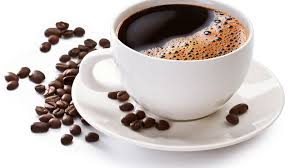
Coffee is great for boosting metabolism
For most people, a quick pick-me-up is a nice cup of coffee in the morning or afternoon. Tea is a staple the world over, and both are great sources of caffeine, which greatly boosts mood, metabolism, and fat-burning rate, as well as concentration and focus. There's also evidence that daily coffee intake protects the liver and helps prevent diabetes, so grab yourself another cup (just maybe skip the sugar and flavored creamer!)
Read more: Foods That Speed Up Metabolism http://www.sooperarticles.com/health-fitness-articles/weight-loss-articles/foods-speed-up-metabolism-1482910.html#ixzz4G0B49ecS
Follow us: @SooperArticles on Twitter | SooperArticles on Facebook
Wednesday, 7 September 2016
Wednesday Video - How to Lose 10 pounds in 2 Weeks
Monday, 5 September 2016
Monday Muscle - Muscle Memory - Can Muscles Actually Remember?
Ask any bodybuilder what muscle memory means and they will readily answer that it is the ability to regain muscle mass more quickly after a period of inactivity than it took to gain the same mass originally. However, if you type the term "muscle memory" into a search engine on the internet, you will find there are many different interpretations of this term. And depending on which authority you consult, the meanings are diverse.
Some believe that muscle memory is simply the application of learned processes much like a baby learns to walk or feed itself.
After many repetitions of the same action, parts of the body are able to react without the person thinking about what they are doing, and the action involved seems to come naturally. If this is true, then muscle memory is actually a neurological function that is built into all humans. According to Andersen, et al. (2005), some studies have shown that neurological and physiological changes occur during skill training, but not during strength training alone.
Others believe that there is an actual physiological change that occurs in the muscles during strength training, altering the function of certain muscle fibers, causing them to bring about muscle growth more readily than before training. In both cases, the muscle's ability to regain both strength and size may be enhanced if training is stopped for a period of time and then started again.
Resistance training and weight training require a combination of strength and motor skill. As a person learns how to perform certain exercises, it is important to learn the right patterns of movement that will achieve the desired muscle growth (Jensen, Marstrand & Nielsen, 2005). Many people define muscle memory as muscular hypertrophy, kinesthesia, proprioception or a result of neuromuscular facilitation. To some extent, all of these definitions play a part in muscle memory. Let's start by defining these terms and showing their interaction with one another to facilitate "muscle memory" during strength training and bodybuilding (as well as other types of exercise).
Muscular Hypertrophy Hypertrophy is the increase of the size of an organ or select area of tissue that occurs due to an increase in the size of cells. Muscular hypertrophy occurs through increased contractile proteins. Myosin heavy chain isoforms, or MHCs, refer to the types of protein seen in a given muscle fiber.
MHCs determine how the muscle fiber functions.
There are two types of MHCs - IIX, which are neutral until they are put to use by the muscle, and IIA, which have a specific purpose of causing muscle growth. Certain MHCs undergo a change in response to resistance exercise and serve as a reservoir of sorts for muscle hypertrophy because they can transform themselves into the types of fibers which grow easily in response to training (Haycock, 2004). Many scientists believe that once these types of muscle fibers are generated by regular resistance or weight training, they remain in the muscle, waiting to be reactivated. If a person does not exercise, or detrains, for a long period of time, and then begins an exercise regimen again, the fact that there are an abundance of muscle-growing fibers already present from previous workouts helps to regain muscle more quickly the second time around. In fact, certain types of strength training advocate detraining for a period of time in order to facilitate this type of response in the muscle, therefore eliminating the possibility of hitting a plateau that is difficult to overcome (Haycock, 2002). Without that plateau, a bodybuilder is better able to continue growing in muscle size and strength.
Kinesthesia Kinesthesia is the body's ability to sense the position and movement of all parts of itself, such as limbs and muscular tension. For example, if a person closes their eyes and holds their arms straight out in front of them, they are able to tell without looking if their palms are facing up or facing down. For a bodybuilder this translates into the body's ability to know the precise location and position to stop during a repetitive exercise in order to achieve the right amount of flex and tension to maximize the results. If you've taken part in a good program of resistance training, you will retain the ability to repeat the correct movements even if you stop training for a while.
It is important to note, however, that learning the correct way to perform an exercise is the key to achieving the best results. If a person learns the wrong movements, they will not achieve the same results. It is best to use a personal trainer or receive some sort of instruction when learning to exercise the different muscle groups, because learning the wrong form can cause damage or result in a workout that does not meet the exerciser's goals. And the time and effort involved in unlearning bad technique can be substantial and can totally demoralize the individual.
Proprioception/Neuromuscular Facilitation Proprioceptive Neuromuscular Facilitation is the term used to describe stretching exercises that increase range of motion in a muscle, thereby increasing strength and flexibility. It is often used as therapy after an injury or long periods of inactivity such as bed rest. By stretching and contracting and rotating a muscle, sufficient use can be regained even though the muscle has not been used as much as it would be normally, thus allowing a person to regain normal function. Stretching is an important part of physical fitness because it prepares the muscles for the physical activity involved in performing certain movements. It can reduce muscle strain and the danger of injury during a workout session. In order to be in top physical condition, a person must have good flexibility. Of course, there are different types of stretching for different routines.
Is Muscle Memory a Myth or Fact? Many articles and studies exist that discuss whether muscle memory in relation to bodybuilding and weight training is a myth. Some experts believe that muscle memory is simply a normal function of the body, that it is more related to the way the brain sends signals when performing any movement.
However, we'll use the term to define the memory of a learned pattern of behavior, such as how to make the correct movements while performing resistance training exercises to obtain optimum benefit.
Based on my interpretation of the literature, as well as my own experience, muscle memory is real and does have an impact on a person's ability to regain muscle mass quickly after a period of no exercise when they previously practiced a regular exercise regimen. A good analogy is learning to ride a bicycle or learning how to swim - once a person learns how to do these things, even if they don't do them for a long period of time, they are able to operate the pedals and retain their balance on a bicycle, or kick their feet and rotate their arms to stay afloat when swimming.
Sources:
Andersen, L. L., Andersen, J. L., Magnusson, S. P., Suetta, C., Madsen, J. L., Christensen, L. R., & Aagaard, P. (2005). Changes in the human muscle force-velocity relationship in response to resistance training and subsequent detraining. Journal of Applied Physiology, 99, 87-94.
Staron, R. S., Leonardi, M. J., Karapondo, D. L., Malicky, E. S., Falkel, J. E., Hagerman, F. C. & Hikida, R. S. (1991). Strength and muscle adaptations in heavy-resistance-trained women after detraining and retraining. Journal of Applied Physiology, 70, 631-640.
Trappe, S., Williamson, D., & Godard, M. (2002). Maintenance of Whole Muscle Strength and Size Following Resistance Training in Older Men. Journal of Gerontology: BIOLOGICAL SCIENCES, 57A (4), B138-B143.
Darrin Clement runs http://worldfitnessnetwork.com, a blog covering the Art and Science of Building Lean Muscle Mass and An Awesome Physique. Sign up and get our free e-book on bodybuilding.
Article Source: http://EzineArticles.com/expert/Darrin_Clement/96563
Some believe that muscle memory is simply the application of learned processes much like a baby learns to walk or feed itself.
 |
| Repetition can bring success |
Others believe that there is an actual physiological change that occurs in the muscles during strength training, altering the function of certain muscle fibers, causing them to bring about muscle growth more readily than before training. In both cases, the muscle's ability to regain both strength and size may be enhanced if training is stopped for a period of time and then started again.
Resistance training and weight training require a combination of strength and motor skill. As a person learns how to perform certain exercises, it is important to learn the right patterns of movement that will achieve the desired muscle growth (Jensen, Marstrand & Nielsen, 2005). Many people define muscle memory as muscular hypertrophy, kinesthesia, proprioception or a result of neuromuscular facilitation. To some extent, all of these definitions play a part in muscle memory. Let's start by defining these terms and showing their interaction with one another to facilitate "muscle memory" during strength training and bodybuilding (as well as other types of exercise).
Muscular Hypertrophy Hypertrophy is the increase of the size of an organ or select area of tissue that occurs due to an increase in the size of cells. Muscular hypertrophy occurs through increased contractile proteins. Myosin heavy chain isoforms, or MHCs, refer to the types of protein seen in a given muscle fiber.
MHCs determine how the muscle fiber functions.
 |
| Some moves give more muscle |
Kinesthesia Kinesthesia is the body's ability to sense the position and movement of all parts of itself, such as limbs and muscular tension. For example, if a person closes their eyes and holds their arms straight out in front of them, they are able to tell without looking if their palms are facing up or facing down. For a bodybuilder this translates into the body's ability to know the precise location and position to stop during a repetitive exercise in order to achieve the right amount of flex and tension to maximize the results. If you've taken part in a good program of resistance training, you will retain the ability to repeat the correct movements even if you stop training for a while.
It is important to note, however, that learning the correct way to perform an exercise is the key to achieving the best results. If a person learns the wrong movements, they will not achieve the same results. It is best to use a personal trainer or receive some sort of instruction when learning to exercise the different muscle groups, because learning the wrong form can cause damage or result in a workout that does not meet the exerciser's goals. And the time and effort involved in unlearning bad technique can be substantial and can totally demoralize the individual.
Proprioception/Neuromuscular Facilitation Proprioceptive Neuromuscular Facilitation is the term used to describe stretching exercises that increase range of motion in a muscle, thereby increasing strength and flexibility. It is often used as therapy after an injury or long periods of inactivity such as bed rest. By stretching and contracting and rotating a muscle, sufficient use can be regained even though the muscle has not been used as much as it would be normally, thus allowing a person to regain normal function. Stretching is an important part of physical fitness because it prepares the muscles for the physical activity involved in performing certain movements. It can reduce muscle strain and the danger of injury during a workout session. In order to be in top physical condition, a person must have good flexibility. Of course, there are different types of stretching for different routines.
Is Muscle Memory a Myth or Fact? Many articles and studies exist that discuss whether muscle memory in relation to bodybuilding and weight training is a myth. Some experts believe that muscle memory is simply a normal function of the body, that it is more related to the way the brain sends signals when performing any movement.
 |
| Correct movements mean optimum benefit |
Based on my interpretation of the literature, as well as my own experience, muscle memory is real and does have an impact on a person's ability to regain muscle mass quickly after a period of no exercise when they previously practiced a regular exercise regimen. A good analogy is learning to ride a bicycle or learning how to swim - once a person learns how to do these things, even if they don't do them for a long period of time, they are able to operate the pedals and retain their balance on a bicycle, or kick their feet and rotate their arms to stay afloat when swimming.
Sources:
Andersen, L. L., Andersen, J. L., Magnusson, S. P., Suetta, C., Madsen, J. L., Christensen, L. R., & Aagaard, P. (2005). Changes in the human muscle force-velocity relationship in response to resistance training and subsequent detraining. Journal of Applied Physiology, 99, 87-94.
Staron, R. S., Leonardi, M. J., Karapondo, D. L., Malicky, E. S., Falkel, J. E., Hagerman, F. C. & Hikida, R. S. (1991). Strength and muscle adaptations in heavy-resistance-trained women after detraining and retraining. Journal of Applied Physiology, 70, 631-640.
Trappe, S., Williamson, D., & Godard, M. (2002). Maintenance of Whole Muscle Strength and Size Following Resistance Training in Older Men. Journal of Gerontology: BIOLOGICAL SCIENCES, 57A (4), B138-B143.
Darrin Clement runs http://worldfitnessnetwork.com, a blog covering the Art and Science of Building Lean Muscle Mass and An Awesome Physique. Sign up and get our free e-book on bodybuilding.
Article Source: http://EzineArticles.com/expert/Darrin_Clement/96563
Friday, 2 September 2016
Fat Loss Friday - How to Speed up Your Metabolism - Learn How You Can Speed Up Your Metabolism
Did you know?
Your metabolism is the machine inside you that keeps on working away to keep the weight off and burn fat.
 |
| Increase your metabolism at any age |
Things you should consider
There are many sayings about fast and slow metabolism. Truth is you don't have as much control over your metabolism as you think but you can control how many calories you burn through your level of physical activity. The more active you are, the more calories you burn. There are three very effective ways to lose weight and burning calories to speed up your metabolism. Aerobic activity is the best way to burn calories. The goal should be 150 minutes a week of walking cycling and swimming. You can reach this goal by doing 30 minutes five days a week and breaking down your activity sessions in 10 minute sessions. To speed that metabolism up drastically you likely need to do more than that a week and make changes to your diet.
 |
| Any age is a good age to start weight training |
Try This...
We all know working out is great for your our health and it is the most beneficial for your metabolic rate but it isn't the entire picture. What you eat and how you eat it eat plays a big role in all of this. First thing you want to do is drink two glasses of ice water as soon as you wake up. The water will wake your body out of sleep mode and into awake mode. The cold water will start to shunt the water from the internal organs to the peripheral muscles. This gets your blood pumping and flowing, which boosts your metabolism one to two percent.
Eating certain foods at certain times of the day, waking up early and eating your breakfast is key but also eating your dinner before six and nothing after that except water throughout the evening. A food group in particular that helps speed up your metabolic rate is spicy foods. Hot peppers have been linked to reducing obesity and related disorders because they increase energy expenditure and fat oxidation by increasing the metabolism. Another excellent natural
For information on how to speed up your metabolism to lose weight go to http://taylorsmith.myautomaticbuilder.com/cp/12046
Read more: How to Speed up Your Metabolism - Learn How You Can Speed Up Your Metabolism http://www.sooperarticles.com/health-fitness-articles/weight-loss-articles/how-speed-up-your-metabolism-learn-how-you-can-speed-up-your-metabolism-1472883.html#ixzz4G0BdX4TX
Follow us: @SooperArticles on Twitter | SooperArticles on Facebook
Wednesday, 31 August 2016
Wednesday Video - 5 Common Weight Loss Mistakes - Lose Weight Fast By Avoiding These Mistakes!
The reason many people don't lose weight is because of mistakes they're not aware of. Make sure you do everything you can to avoid these mistakes! If you do, you'll lose weight effectively and fast!
Monday, 29 August 2016
Monday Muscle - Muscle Memory, Going Back to Muscle Building
Some people can't do something without motivation. Most first time gym goers quit because of fatigue, laziness, time constraints, injury, or some other silly excuse. Stop dreaming of a super soldier serum.
Captain America is a just a comic book super hero. It's not impossible but we're far from that kind of technology.
Don't worry. I quit several times since I was teenager. The important thing is the willingness to keep coming back.
Some, people can't take the challenge of lifting weights for self-improvement. They grow big for a few months and then stop. Most never go back to the gym but there are a brave few who decide to go back.
And that, is the purpose of this topic. One should never fear going back to the gym to get bigger and do the same thing in the same amount of time over and over again. This, my friend, is something you don't need to experience because of muscle memory.
So what exactly is muscle memory? Muscle memory is man's retention in the memory of movement stored trough repetitive motor tasks. Muscles become accustomed to certain type of movement. It's when you try something like riding a bike for the first time and then learn from a series of trial and error. And then, after a few years of not riding a bike, you try using one, and then you don't fall. It's because your mind still knows exactly how to balance your body in a bike.
So when exactly muscle memory helpful for us bodybuilders?
Remember the rule that progress is needed to gain bigger muscles? Muscle memory is very helpful for people who quit bodybuilding but decided to bulk-up again. Muscle memory allows bodybuilders to immediately return to their old physique faster than when they first tried.
Muscle memory let's you lift weights easier too. When the body does the same thing over and over, like doing squats, dead-lifts and other exercises, the body automatically adjusts to the act. Doing it feels like you don't need to think about proper form anymore. The act becomes second nature to your body. This means you can lift more weight. More weight means bigger muscles!
I've had my share of quitting too.
I already gave all kinds of excuses. I've already quit several times since my teenage years. But I kept coming back. And every time I came back I became better and better. This should be the same to most people who have already quit. It's never too late to start building muscles again. You never know what would happen next. You might be the next Mr. Olympia. You might become a fitness coach. You might even be the next boyfriend of your dream girl. Or you can just be a better person and feel good about yourself.
Just take one step further. All it takes is that courage to try something again. This time, things are easier than your first.
It's because of muscle memory.
Remember that!
Article Source: http://EzineArticles.com/expert/Elnel_Andrew_Nagoy_Roque/1119156


 |
| Use motivational images |
Don't worry. I quit several times since I was teenager. The important thing is the willingness to keep coming back.
Some, people can't take the challenge of lifting weights for self-improvement. They grow big for a few months and then stop. Most never go back to the gym but there are a brave few who decide to go back.
And that, is the purpose of this topic. One should never fear going back to the gym to get bigger and do the same thing in the same amount of time over and over again. This, my friend, is something you don't need to experience because of muscle memory.
So what exactly is muscle memory? Muscle memory is man's retention in the memory of movement stored trough repetitive motor tasks. Muscles become accustomed to certain type of movement. It's when you try something like riding a bike for the first time and then learn from a series of trial and error. And then, after a few years of not riding a bike, you try using one, and then you don't fall. It's because your mind still knows exactly how to balance your body in a bike.
So when exactly muscle memory helpful for us bodybuilders?
Remember the rule that progress is needed to gain bigger muscles? Muscle memory is very helpful for people who quit bodybuilding but decided to bulk-up again. Muscle memory allows bodybuilders to immediately return to their old physique faster than when they first tried.
Muscle memory let's you lift weights easier too. When the body does the same thing over and over, like doing squats, dead-lifts and other exercises, the body automatically adjusts to the act. Doing it feels like you don't need to think about proper form anymore. The act becomes second nature to your body. This means you can lift more weight. More weight means bigger muscles!
I've had my share of quitting too.
|
| The important thing is not quitting |
Just take one step further. All it takes is that courage to try something again. This time, things are easier than your first.
It's because of muscle memory.
Remember that!
Article Source: http://EzineArticles.com/expert/Elnel_Andrew_Nagoy_Roque/1119156
Subscribe to:
Posts (Atom)